


Deepening Technical Exchange, Empowering Salvage Equipment Support: Shanghai Shuzao Technology Visits the Guangzhou Salvage Base of Nanhai Rescue Bureau, Ministry of Transport
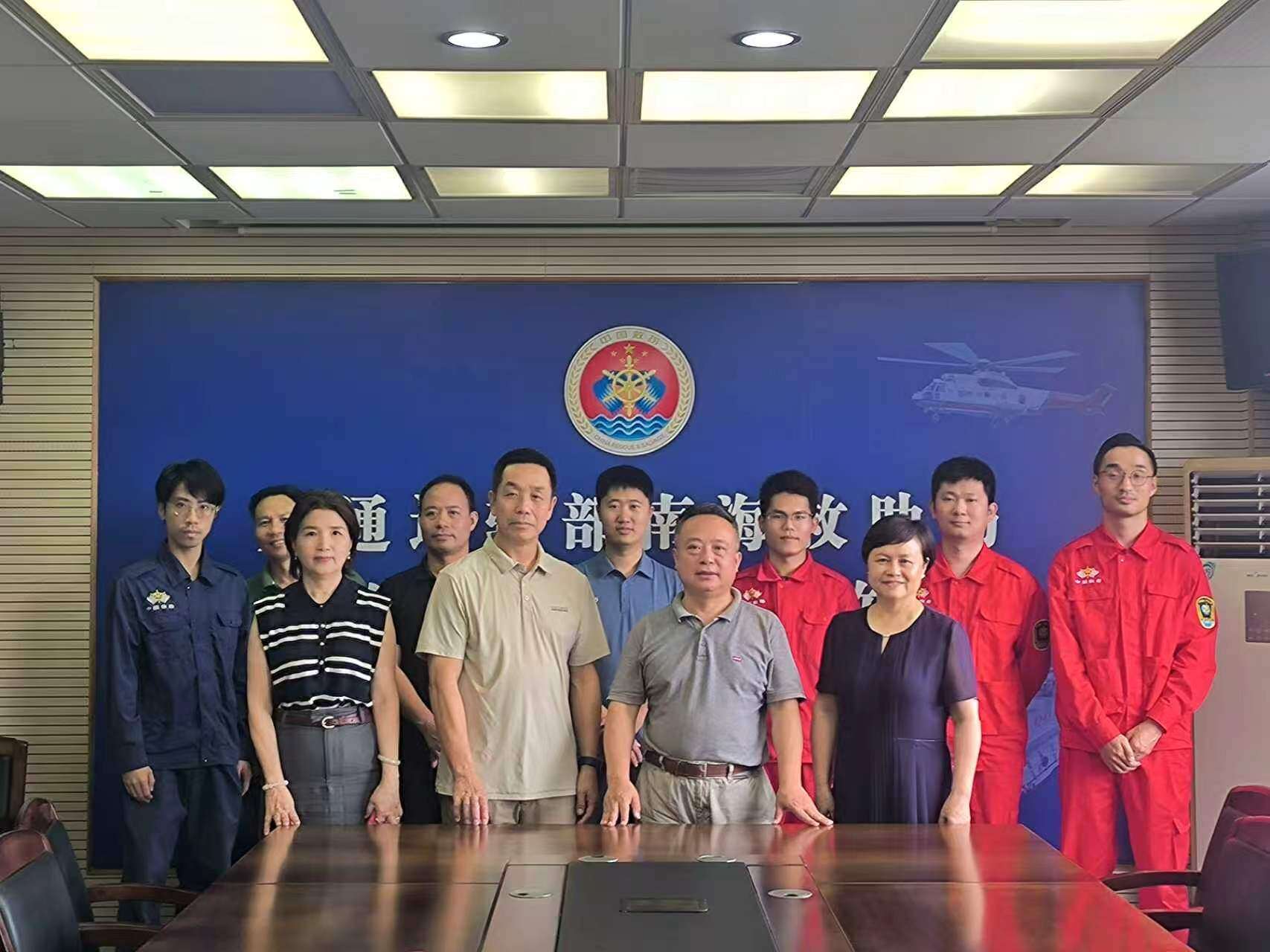
On the morning of 7 month 27, Dr. Zhao Yi, Chairman of Shanghai Shuzao Technology, and his delegation were invited to visit the Guangzhou Rescue Base of the South China Sea Rescue Bureau of the Ministry of Transport for technical exchange. The base Director Bei Chengzhang, Secretary Li Wen, along with members of the deep-sea rescue team, equipment management department, and key personnel from the Song Tianyu Model Worker and Craftsman Talent Innovation Studio, accompanied and hosted the visit throughout.
On the morning of 7 month 27, Dr. Zhao Yi, Chairman of Shanghai Shuzao Technology, and his delegation were invited to visit the Guangzhou Rescue Base of the South China Sea Rescue Bureau of the Ministry of Transport for technical exchange. The base Director Bei Chengzhang, Secretary Li Wen, along with members of the deep-sea rescue team, equipment management department, and key personnel from the Song Tianyu Model Worker and Craftsman Talent Innovation Studio, accompanied and hosted the visit throughout.
During their visit, Dr. Zhao Yi and his team first toured the Song Tianyu Model Worker and Craftsman Innovation Studio and the Special Equipment Operations & Maintenance Workshop. They observed key salvage facilities on-site, including TTV underwater work equipment, main rescue vessel support machinery, towing systems, and sonar navigation antenna detection devices. The team closely examined critical components such as sonar navigation antennas, protective cladding, fairings, and custom towing system parts. Considering the challenging deep-sea operating conditions—high pressure, heavy salt fog, and cyclic vibration—the team assessed the practical feasibility of 3D reverse scanning, industrial-grade 3D printing repairs, and localized manufacturing of replacement parts. This on-site evaluation established a clear understanding of current equipment performance and identified key maintenance challenges and pain points in frontline operations.
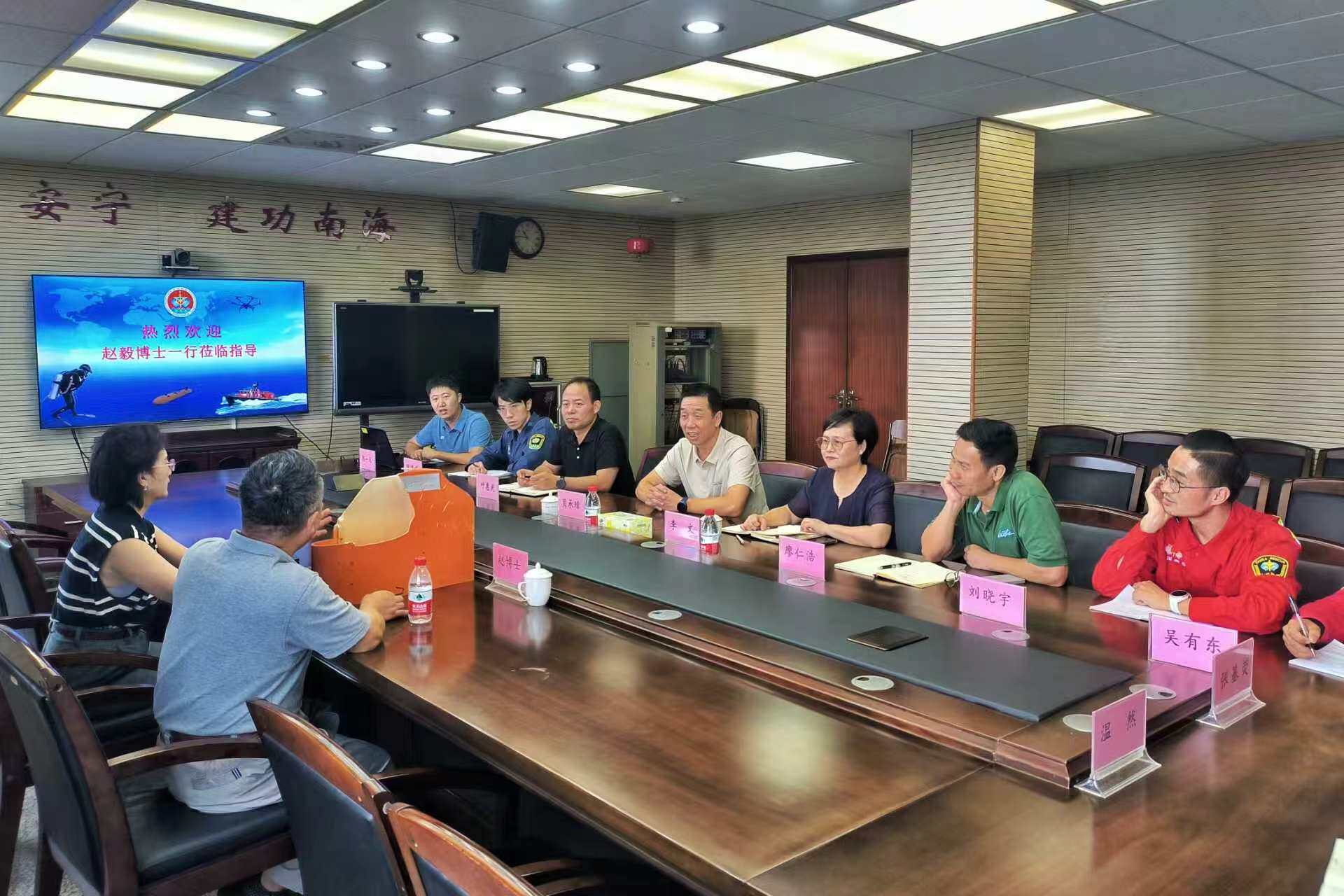
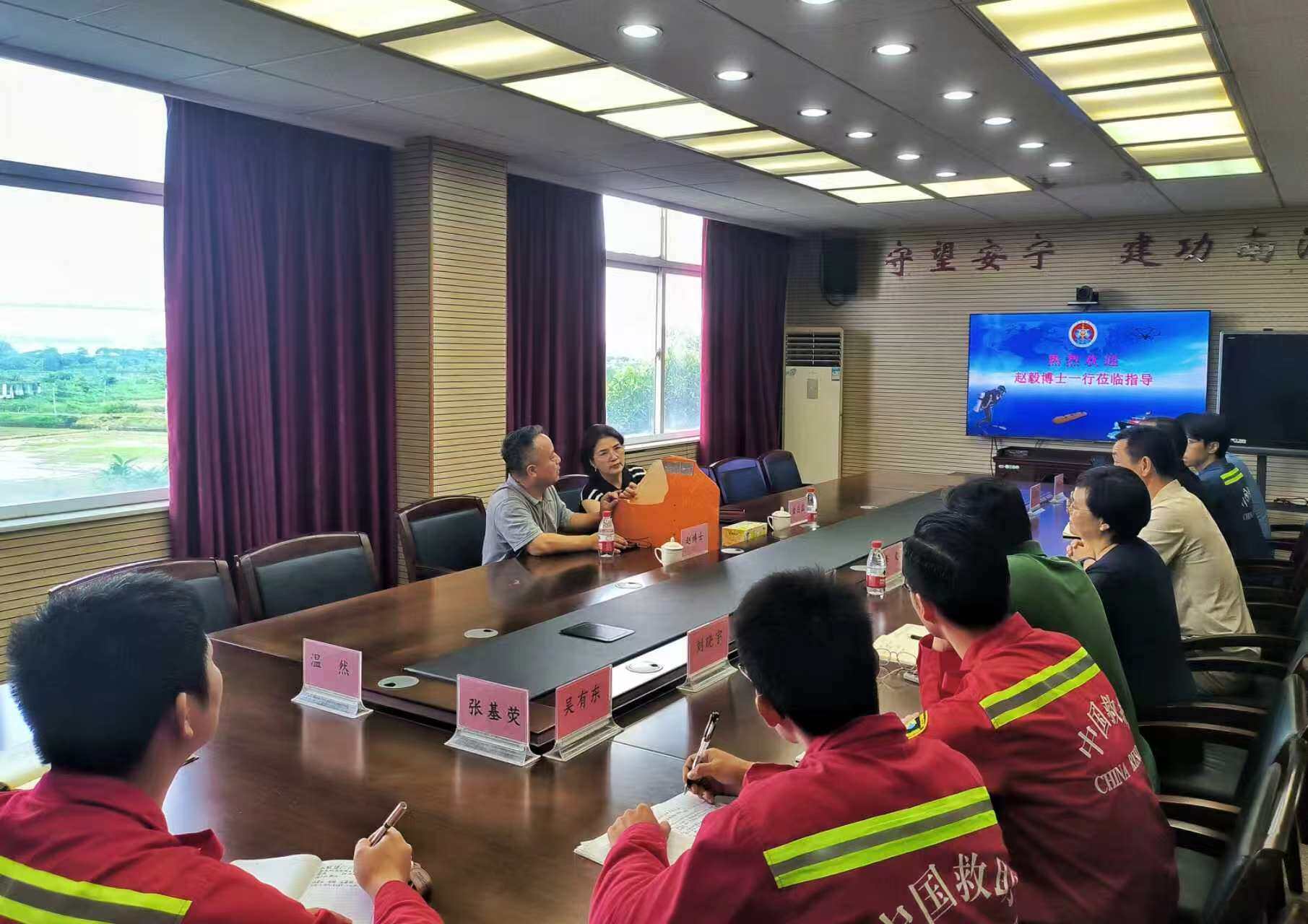
Following the field survey, both parties convened a specialized technical exchange symposium. During the meeting, Secretary Li Wen and Director Bei Chengzhang outlined the core responsibilities of the Guangzhou Rescue Base, which include maritime emergency search and rescue in the northern South China Sea, marine disaster prevention and mitigation, and emergency support for deep-sea engineering projects. The base's active-duty rescue vessels, towing special equipment, and underwater sonar navigation antenna systems are predominantly imported. After years of high-intensity at-sea service, equipment aging has become increasingly severe. Towing system components, non-standard wear-resistant parts for rescue vessels, outer coverings for sonar navigation antennas, and core components of flow cones are all custom-made, irregular, and prone to damage. These parts face widespread challenges, including discontinued production by original manufacturers, supply chain interruptions, lengthy overseas procurement cycles, and persistently high maintenance costs. In some cases, mature domestic alternatives for critical components remain unavailable, hindering rapid emergency response capabilities. There is an urgent need to leverage additive manufacturing technology to establish a new pathway for autonomous maintenance and remanufacturing of legacy equipment components.
Addressing practical challenges raised by equipment maintenance personnel at the rescue base—including 3D printing process selection, deep-sea specialty material matching, component watertight sealing, seawater corrosion resistance, and post-processing strengthening—Shuzao Technology's technical team provided targeted answers. The team delivered a comprehensive overview of 3D reverse scanning modeling and the full industrial 3D printing workflow. They conducted a comparative analysis of mechanical properties, water absorption, creep resistance, and acoustic wave transmission capabilities across materials such as PA12, hydrolysis-resistant low-modulus polyurethane, and HDPE. Additionally, they detailed the application logic of corrosion-resistant materials in deep-sea environments and presented precision material selection strategies tailored to specific components.
Both parties conducted in-depth discussions on the technical feasibility of 3D scanning and mapping, 3D printing repair, and domestic substitution for the aforementioned equipment and components. Further negotiations regarding pilot project implementation and deep cooperation will be scheduled at a later time.
This inspection is highly significant in light of the recent sinking of a Vietnamese vessel near Yongshu Reef in the Nansha Islands. The South China Sea Rescue Bureau promptly deployed rescue ships and helicopters for an integrated sea-air search-and-rescue operation, successfully saving 47 foreign nationals and efficiently completing the humanitarian mission. This fully demonstrates the all-weather, rapid-response capabilities of China's professional maritime salvage teams. It also clearly underscores that advanced, reliable, and easily maintainable marine salvage equipment is the cornerstone for safeguarding maritime lifelines and fulfilling international humanitarian obligations.
Following the meeting, Dr. Zhao Yi proposed that both parties include advancing the application of additive manufacturing technologies—such as 3D digital scanning, industrial-grade 3D printing, and laser cladding—in salvage equipment within their action goals. By leveraging digital and intelligent manufacturing methods, we can enable rapid measurement and customization of non-standard components, perform on-site repairs, eliminate reliance on overseas original spare parts, significantly reduce equipment maintenance cycles, and ensure rescue vessels and detection systems remain in optimal operational readiness at all times.
Related Articles
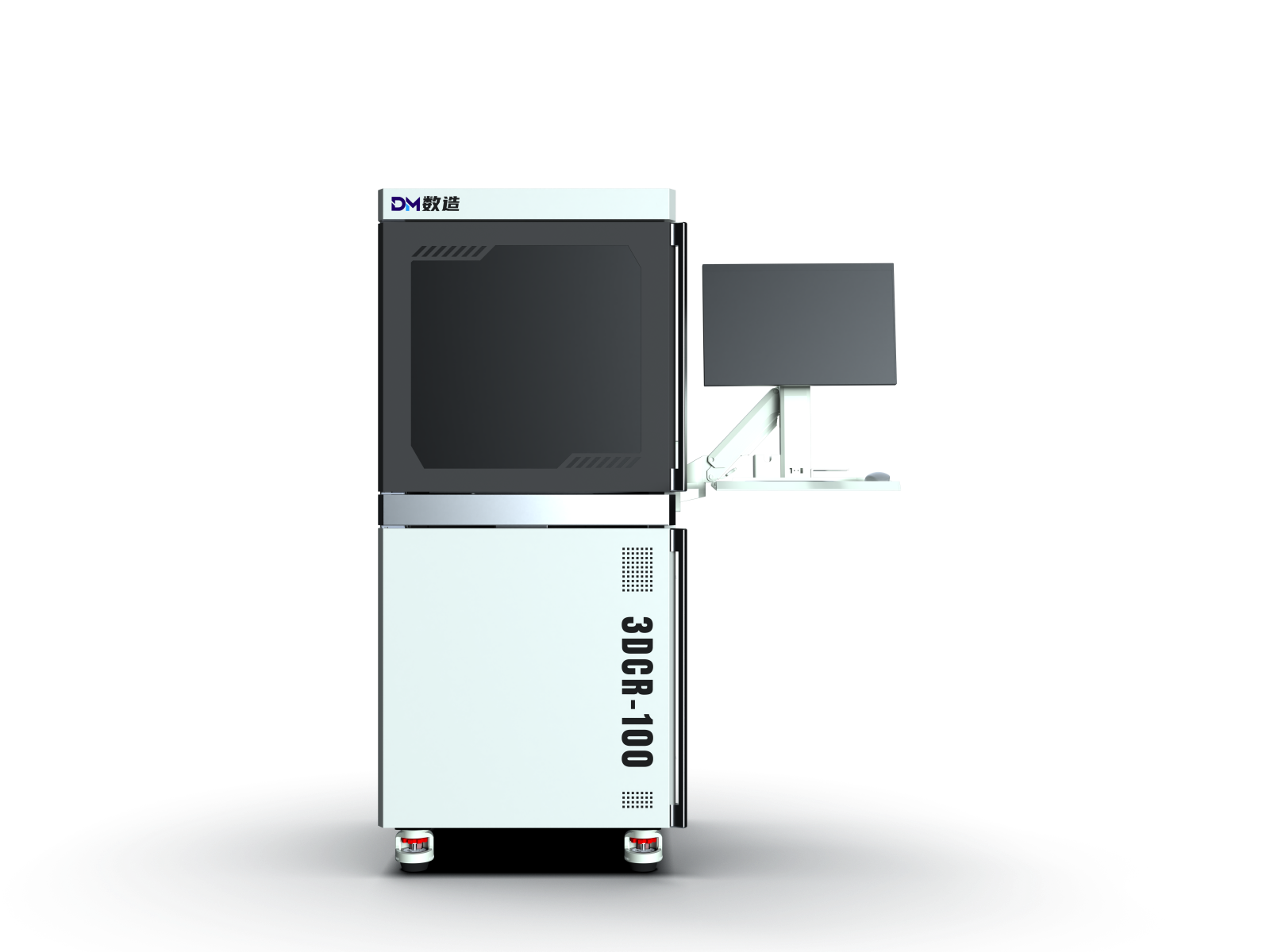
Test with just 500g of material! The 3DCR-100 SLA 3D printer is the ultimate tool for material development.
3DCR-100: A compact SLA 3D printer built for materials R&D. Featuring a piston-based resin tank, high-precision laser scanning, and intelligent print control algorithms, it supports a maximum build volume of 100×100×100 mm and requires only 200 ml of material to start printing.
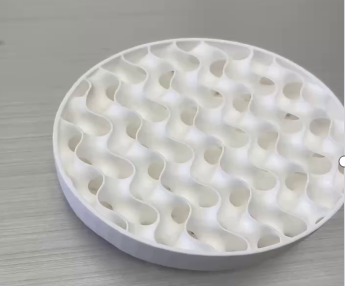
Why use 3D printing for complex ceramic flow channel design?
Traditional machining of complex ceramic channels requires assembling multiple pieces with adhesive bonding. Photopolymerization 3D printing enables monolithic manufacturing, reducing leakage risks and shortening delivery cycles.
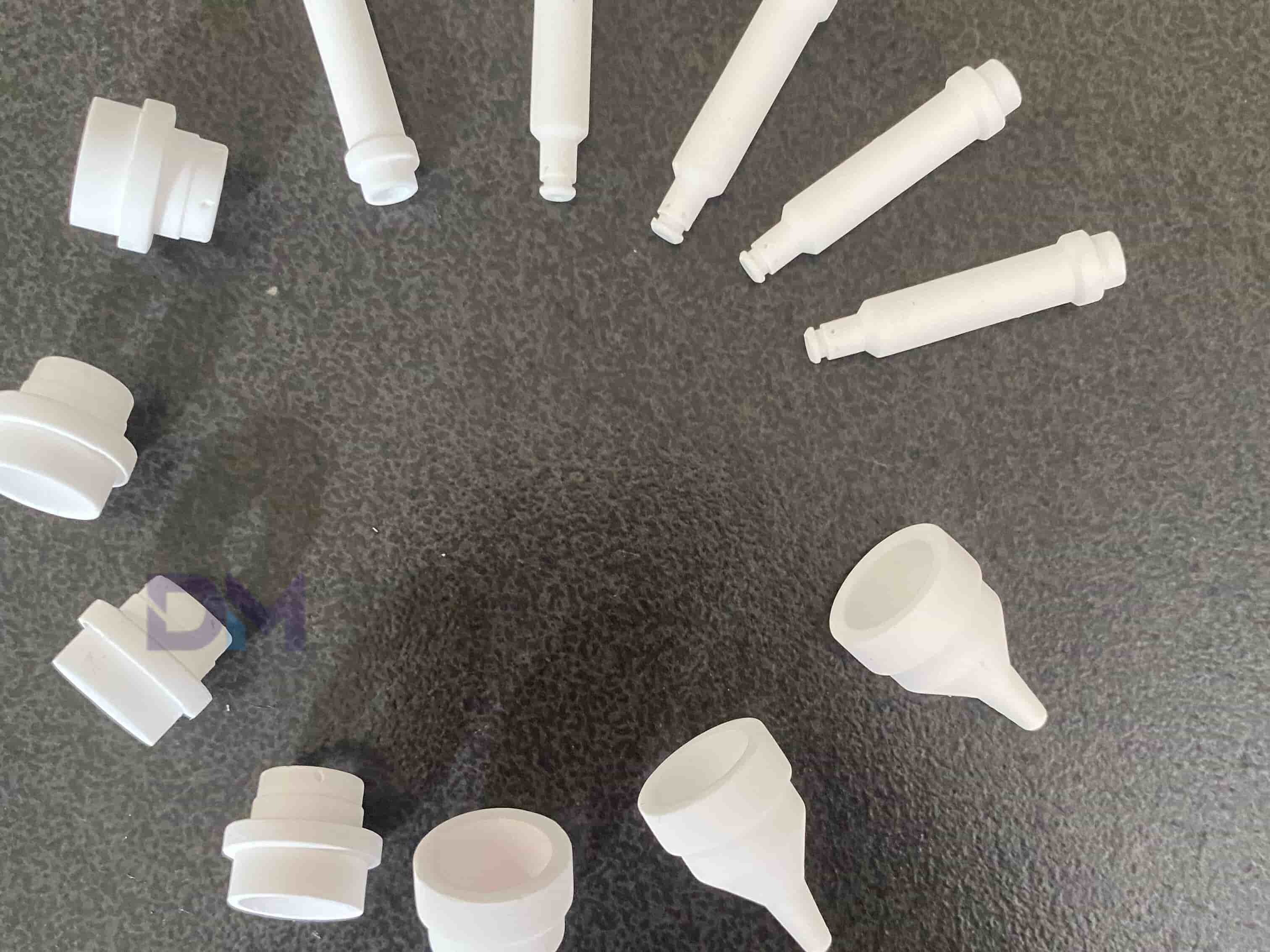
What materials can be used for ceramic 3D printing?
Common printable ceramic materials include alumina, zirconia, silica, silicon nitride, and silicon carbide. Each material offers distinct advantages in strength, thermal resistance, and dielectric performance.