


What materials can be used for ceramic 3D printing?
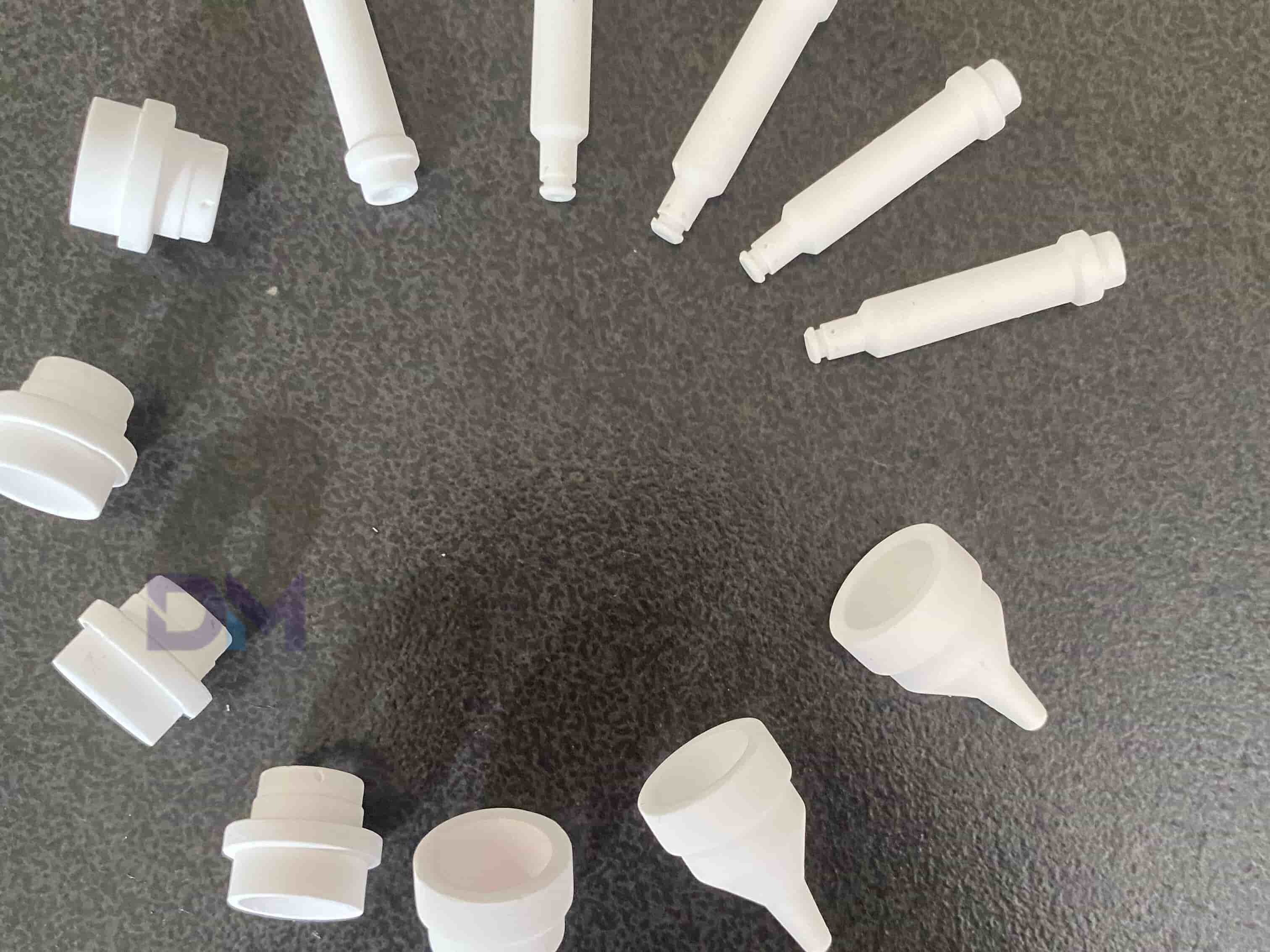
Currently, the materials used in ceramic 3D printing include aluminum oxide ceramics (Alumina ceramic, Al₂O₃) Zirconia ceramic (Zirconia ceramic), hydroxyapatite ceramics (HA ceramic)Silicon Carbide(SiC ceramic)The primary 3D printing process routes are:Curing(SLA, LCD, and DLP)extrusion/direct writing(FDM/DIW) andPowder bonding(3DP/IJP)Powder Sintering(SLS/SLM) processes. Among them, SLM's 3DCR series of stereolithography-based ceramic 3D printers can achieve a maximum build size of 45 mm. These printers primarily use alumina and are renowned for high precision, making them ideal for production-grade ceramic 3D printing. In contrast, silicon carbide materials—of much interest to customers—are typically printed using sand mold casting rather than stereolithography. Compared to SLA-based processes, sand mold casting offers the advantage of no support structures required and enables larger part sizes. It can be characterized as a robust, albeit less refined, manufacturing approach.
As ceramic 3D printing technology advances, an increasing variety of toughened composite ceramics will be used. For photopolymerization-based processes such as SLA (laser stereolithography), LCD (405nm Mask SLA), and DLP (digital light processing), the selection of toughening materials is constrained by a key requirement: they must not significantly impede UV light penetration and curing within the slurry. Consequently, particles, platelets, or short whiskers are preferred over long fibers. Due to zirconia's high shrinkage, poor translucency, and low solid loading in slurries, its formability is significantly more challenging than that of alumina.
(Figure 1) Ceramic and cast aluminum alloy components fabricated via ceramic 3D printing, designed for high-temperature ballistic testing.

(Figure 2) Ceramic core for aluminum oxide ceramic 3D printing (aerospace sector)


(Figure 3) Zirconia ceramic 3D-printed dental crown (medical/dental)

Related Articles
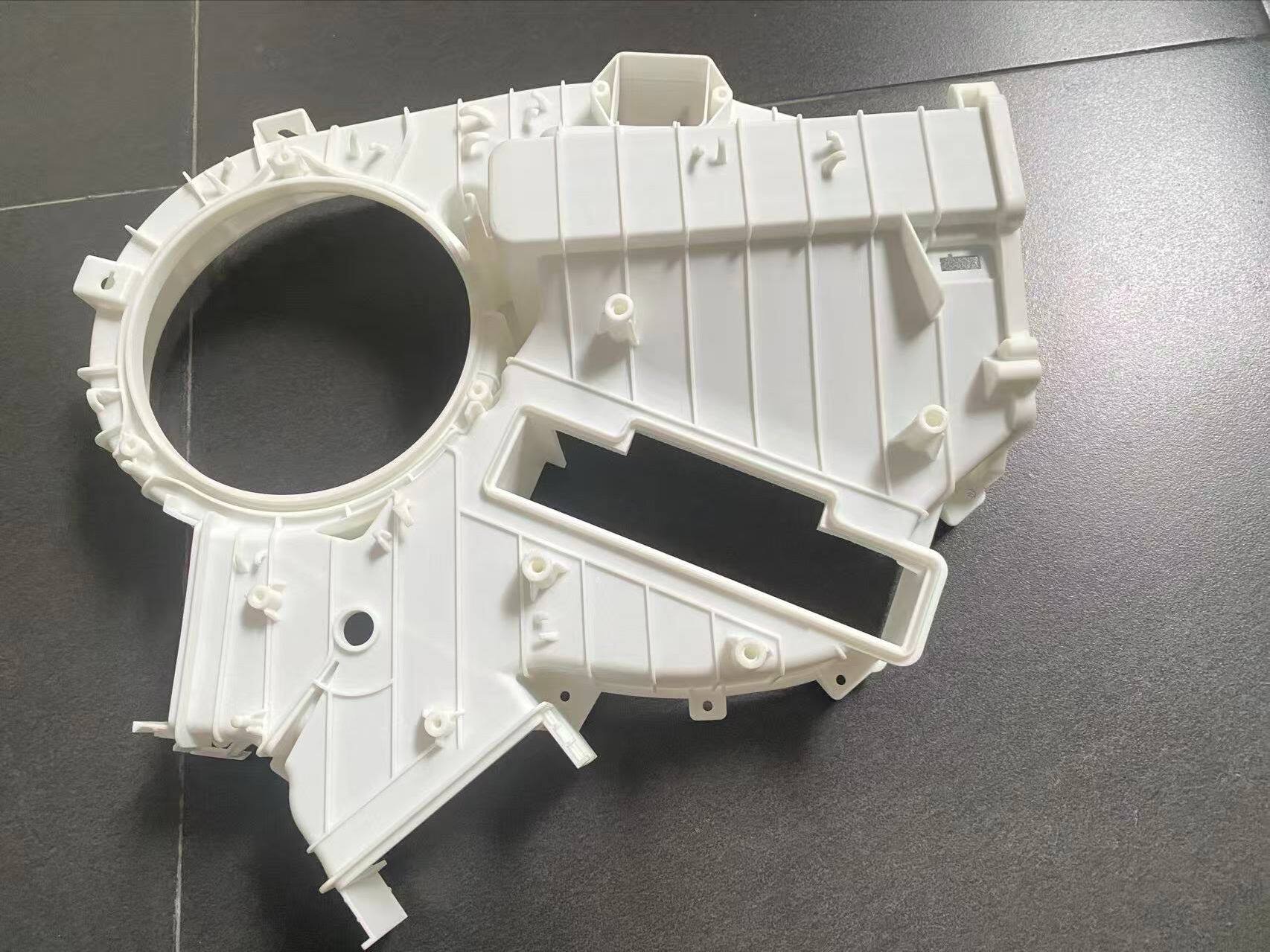
Why Choose SLA 3D Printing for the Four Categories of Prototype Parts in Vehicle R&D?
As the demand for prototype parts in vehicle R&D accelerates, leading automakers are turning to industrial-grade SLA resin 3D printing. With rapid iterations, small batch sizes, and diverse part types, a single machine must cover all three dimensions: build volume, accuracy, and material compatibility. This article breaks down the four most common part categories in R&D prototyping and explains how to configure the right equipment for each.
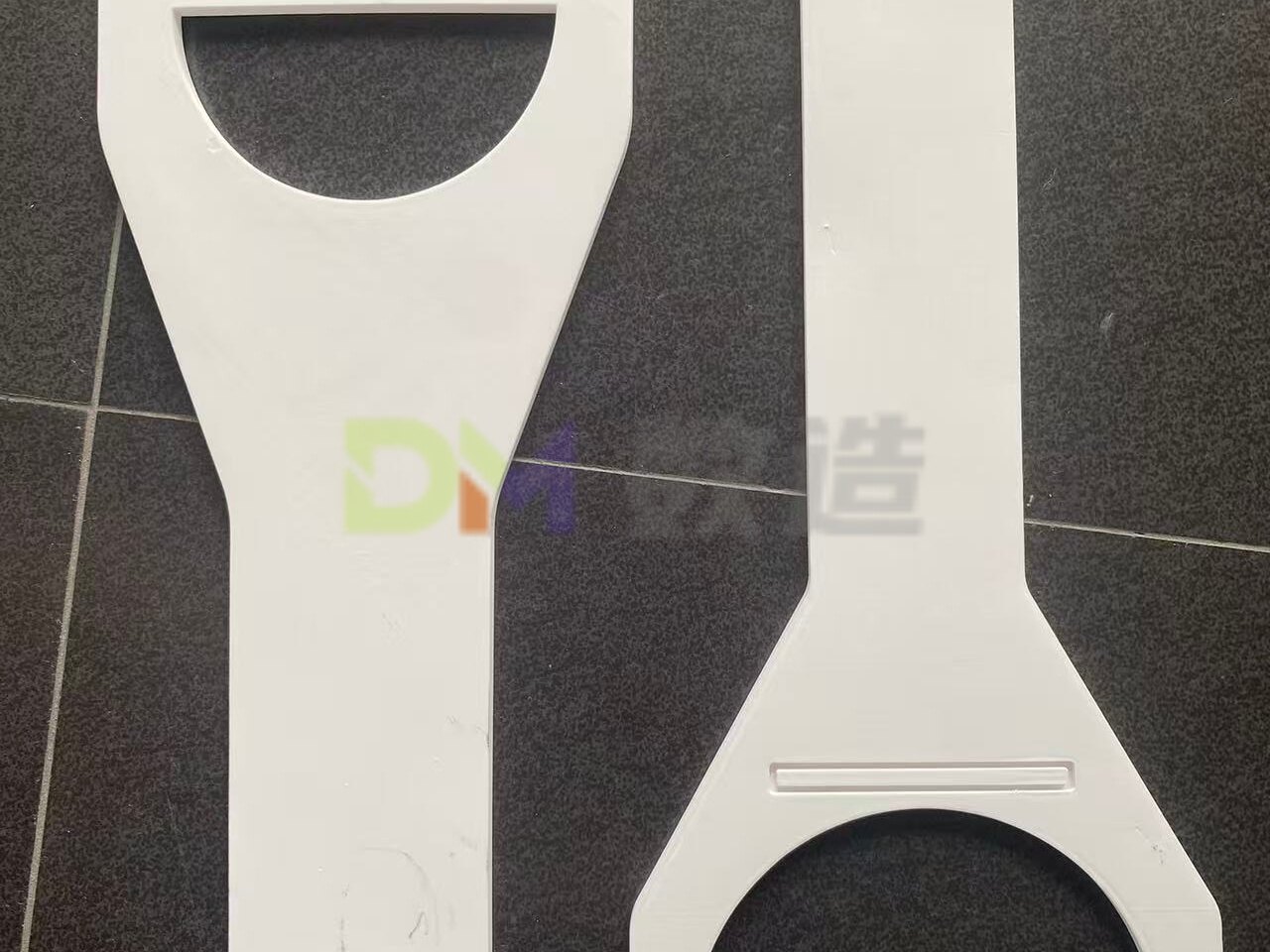
3D-Printed Ceramic Robotic Arm: A Breakthrough in Chip Manufacturing
<p>On semiconductor production lines, silicon wafers must be transferred between dozens of processes including lithography, etching, and deposition. Ceramic mechanical fingers are specialized grippers mounted at the end of robotic arms to handle silicon wafers, providing a contamination-free gripping solution.</p> <h3>Why Ceramic?</h3> <p>There are three key reasons:</p> <p><strong>① Zero Contamination</strong>: Ceramic surfaces resist particle shedding, preventing microscopic debris that could scratch wafers or disrupt processes. Metal fingers are a "disaster" in cleanrooms.</p> <p><stron...