


Why use 3 D printing for designing complex ceramic flow channels?
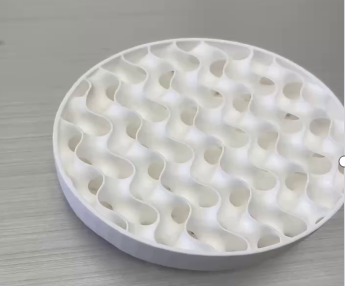
With the powerful capabilities of modern software, young engineers today are turning traditionally unmanufacturable internal flow channels into reality.
Case: A fuel nozzle for a specific aircraft engine, featuring a complex internal flow channel design. Produced in a single piece via 3D printing, sealing efficiency improved to 100%.
Why must complex flow channels be made using 3D printing?
The "Three Major Bottlenecks" of Traditional Craftsmanship?
Traditional ceramic channel manufacturing relies on: slip casting → injection molding → CNC drilling. However, all three methods have critical limitations.
1. Slip Casting: Simple, Not Complicated
Suitable for simple flow paths, such as straight and bent pipes.
Limitations: Cannot create internal cross-flow channels or variable cross-section channels.
Issue: Difficult part ejection; complex geometries cannot be formed.
2. Injection Molding: High precision, but high mold costs
Suitable for: mass-produced standard parts
Limitation: Requires mold creation, with a per-unit cost of 2-10 ten thousand yuan.
Issue: Channel dimensions are fixed and cannot be optimized.
3. Machined Drilling: Flexible but inefficient
Suitable for: single items or small batches
Limitation: Can only machine straight holes; cannot create curved flow channels.
Issue: Long machining time and excessive tool wear
Summary: Traditional methods either can't handle complex structures or are prohibitively expensive.
"Three-Dimensional Freedom" in 3D Printing for Channel Manufacturing
1. Geometric Degrees of Freedom: No Mold Constraints
2. Structural Freedom: Complex Internal Flow Channels
3. Integrated Freedom: From Multi-Part to All-in-One
TypicalCase: Ceramic Mechanical Arm Cavity for Semiconductor Equipment
 The image on the left shows a ceramic robotic arm featuring precision internal airflow channels.
Traditional Approach:
Top and bottom bonding: pain points include adhesive leakage, aging, and corrosion.
3D Printing Solution: Single-step fabrication that preserves wafer adsorption. The Shuzao Technology 3DCR series ceramic 3D printer supports a maximum build size of 450×450×300 mm, with a minimum feature thickness of 0.25mm.
Why must ceramic flow channels be 3D printed?
1. Material PropertiesCeramic cannot be reworked like metal.
This means: the ceramic's complex structure must be formed in a single step during the shaping phase.
Traditional ceramic forming methods (slip casting, injection molding) cannot meet complex channel requirements; 3D printing is the only viable solution.
2. Performance RequirementsExtreme operating conditions: requirements for accuracy and structural integrity
In high-end fields such as aerospace and semiconductors, flow channel components face:
Extreme High Temperature: 1600-1800°C
High Corrosion: Acids, Alkalis, Plasma
High Pressure: 10-100 MPa
Under these operating conditions:
Assembly gaps = leak risk
Surface roughness increases fluid resistance.
Size deviation = performance instability
Shuzao Technology's 3DCR series ceramic 3D printing delivers integrated molding and ±0.1 accuracy, perfectly meeting these requirements.
3. Cost Considerations: Economies of Small-Batch, High-Mix Production
3D Printing Cost, Quality, and Lead Time:
Tooling cost: 0 CNY
- Unit cost: Relatively fixed; fastest lead time of 5 days
Shuzao Technology's Ceramic 3D Printing Complex Channel Solution
We offer end-to-end services for equipment, slurries, and 3D printing through our self-developed 3 D c R series ceramic 3D printers:
✅ Design Consultation: Send us your STL file for a 3D assessment and get optimization suggestions.
✅ Material Selection: Alumina, zirconia, and other ceramic materials
✅ High-precision printing: SLA, LCD, and DLP curing processes available. Accuracy: 0.1mm,, Minimum wall thickness: 0.25mm
✅ Sintering Process: Optimized sintering curves for various channel structures
✅ Quality Inspection: Industrial CT scanning for high-specification parts to ensure internal channel integrity.
Typical Use Cases
1. Aerospace
Engine fuel nozzle
Combustion chamber cooling channels: ceramic core
Thermal Protection System Airflow Channels
2. Semiconductor Equipment
Vacuum chamber flow channel
Plasma Nozzle
Ceramic robotic arm
3. New Energy
Solid-state battery electrolyte flow channels
Filter core on lithium battery
Hydrogen Fuel Cell Bipolar Plates
4. Electrical and Electronic
Winding switch porcelain
Porous ceramic filter
Internal components of chemical reactors
🎯 Facing complex flow channel design challenges? Send us your STL file for a consultation.


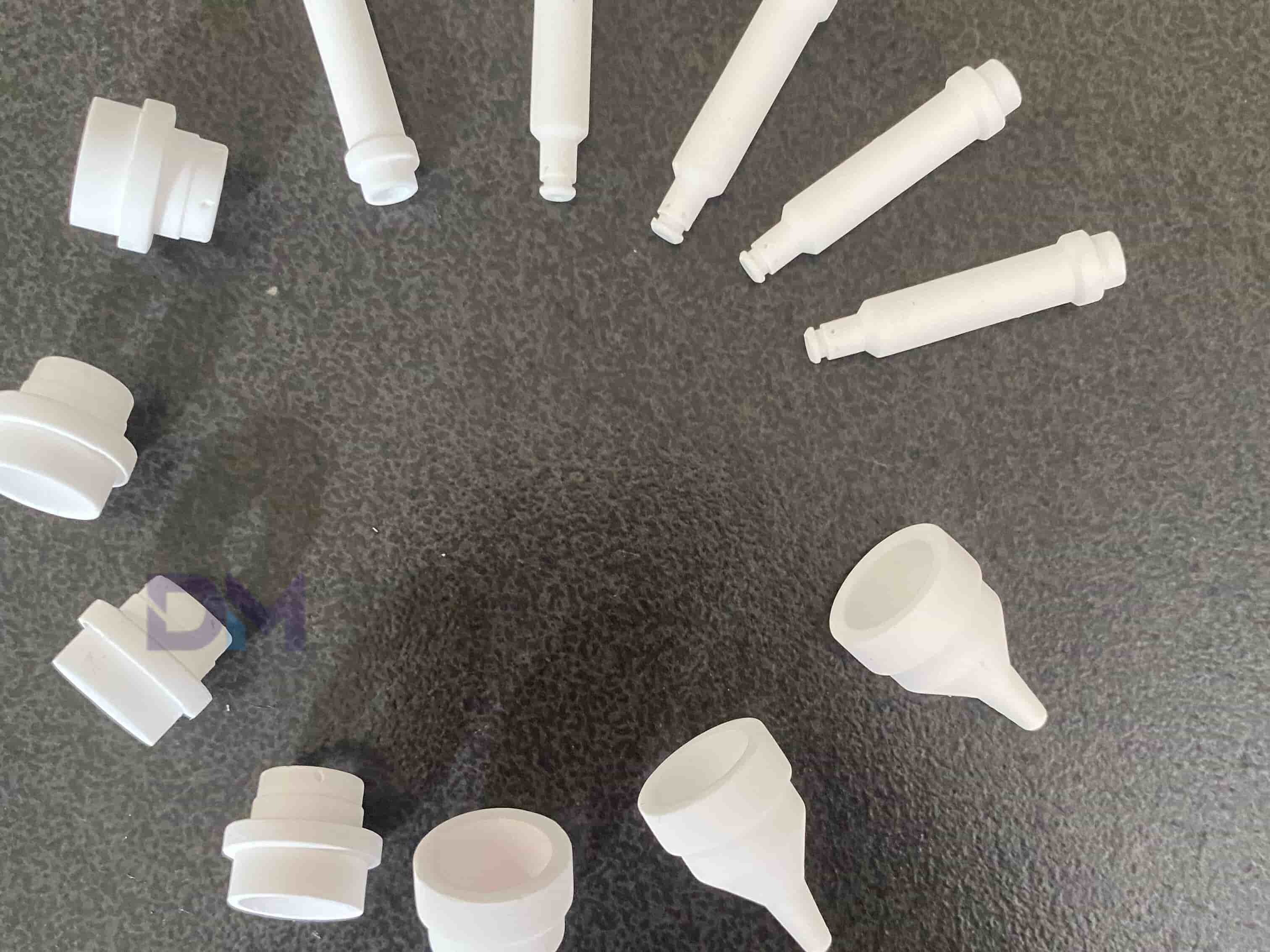
Ceramic parts with complex hollow structures via 3D printing
Related Articles
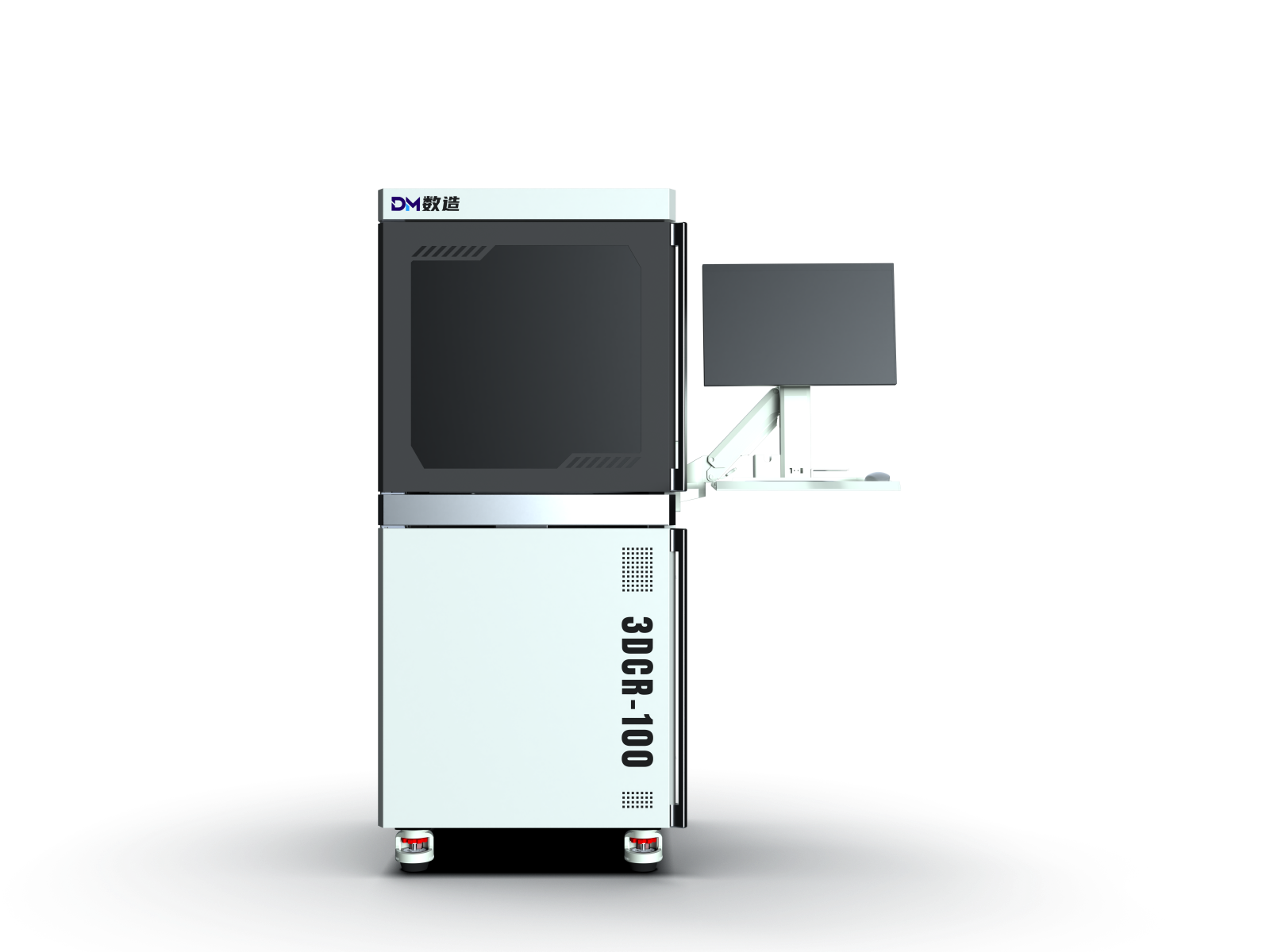
Test with just 500g of material! The 3DCR-100 SLA 3D printer is the ultimate tool for material development.
3DCR-100: A compact SLA 3D printer built for materials R&D. Featuring a piston-based resin tank, high-precision laser scanning, and intelligent print control algorithms, it supports a maximum build volume of 100×100×100 mm and requires only 200 ml of material to start printing.
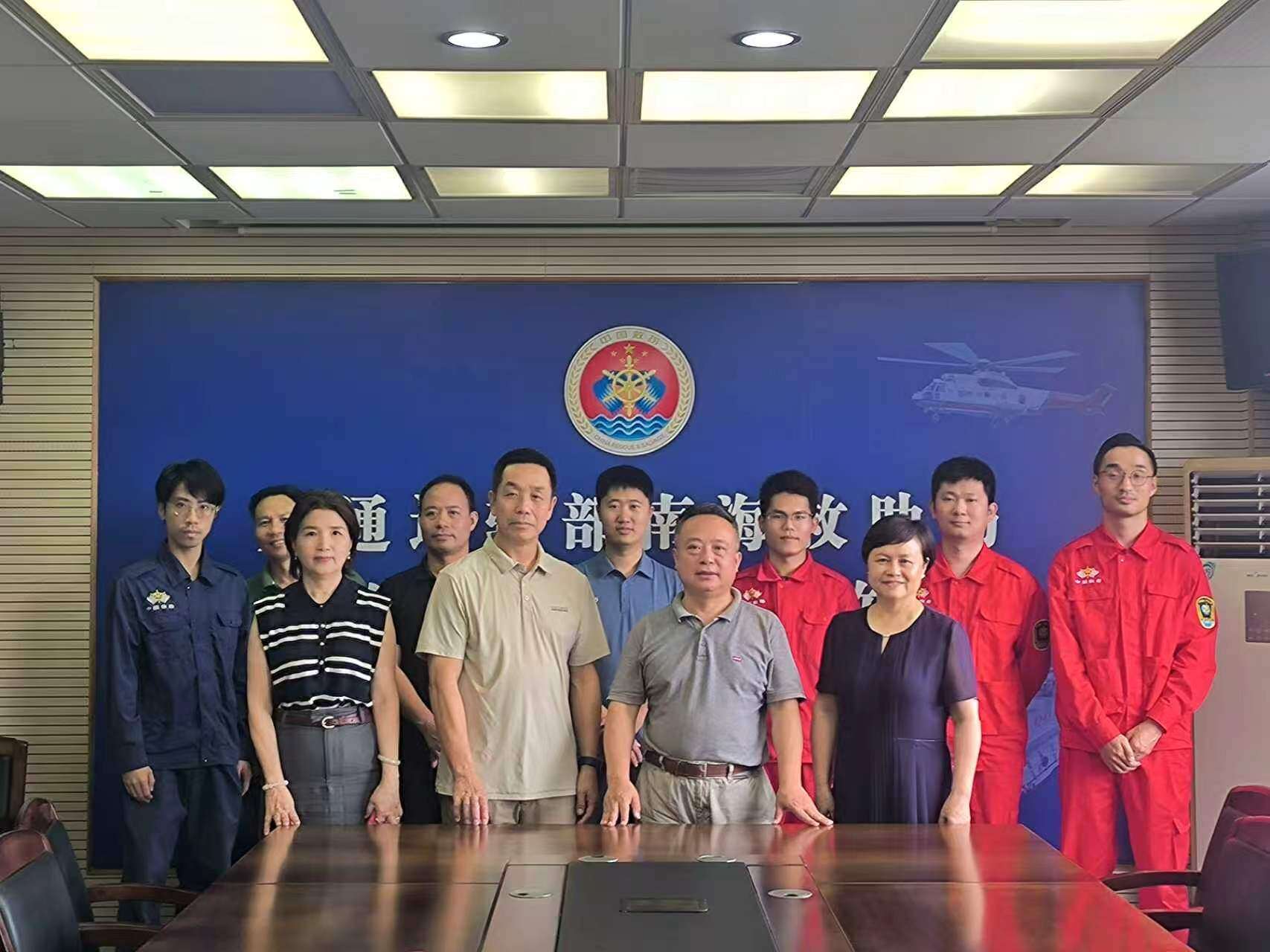
Deepening Technical Exchange, Empowering Salvage Equipment Support: Shanghai Shuzao Technology Visits the Guangzhou Salvage Base of Nanhai Rescue Bureau, Ministry of Transport
On the morning of 7 month 27, Dr. Zhao Yi, Chairman of Shanghai Shuzao Technology, and his delegation were invited to visit the Guangzhou Rescue Base of the South China Sea Rescue Bureau of the Ministry of Transport for technical exchange. The base Director Bei Chengzhang, Secretary Li Wen, along with members of the deep-sea rescue team, equipment management department, and key personnel from the Song Tianyu Model Worker and Craftsman Talent Innovation Studio, accompanied and hosted the visit throughout.
What materials can be used for ceramic 3D printing?
Common printable ceramic materials include alumina, zirconia, silica, silicon nitride, and silicon carbide. Each material offers distinct advantages in strength, thermal resistance, and dielectric performance.