


3D-Printed Robot Skeleton – Lightweight, One-Piece Metal 3D Printing

Industry Background
Traditional CNC-machined robot skeletons require multiple assembly steps, resulting in heavy weight, poor rigidity, and the inability to incorporate internal cooling channels. The complex joint structure of six-axis robots is difficult to manufacture using conventional processes, leading to development cycles as long as 3-6 months.
Solutions
SLM metal 3D printing directly forms complex structural components like robotic joints and robot arm skeletons, supporting various metals including mold steel, stainless steel, aluminum alloys, and titanium alloys. Topology optimization enables lightweighting with weight reduction of over 40%.
Achieve Results
Robot skeleton weight reduced by 45%, rigidity increased by 30%: development cycle shortened from 3-6 months to 2 weeks.
Recommended Models
3DLMP-250/3DLMP-300
Related Articles
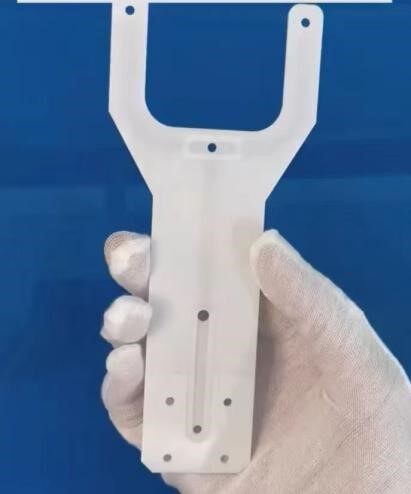
Say Goodbye to "Top-and-Bottom Gluing": How Light-Curing 3D Printing Achieves Seamless Internal Channels in Ceramic Robotic Arms
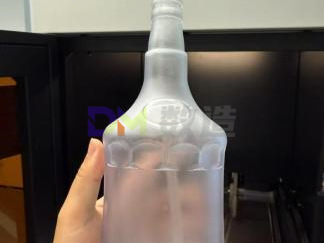
3D Printed Wine Bottle Packaging – Glass-Like Finish, Embossed-Level Precision
SLA 0.1mm layer thickness precisely reproduces embossed dragon patterns, matte textures, and complex irregular bottle shapes. Transparent photopolymer resin, after polishing and UV curing, achieves a glass-like visual appearance.
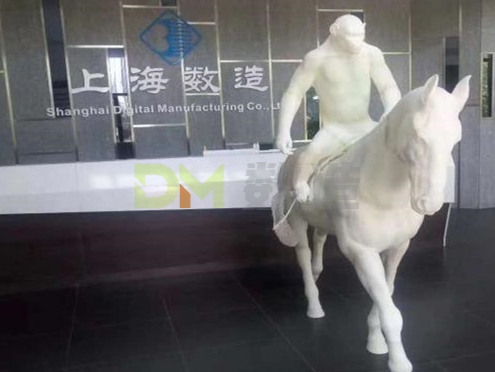
3D Printing Ad Exhibition - Large-format Splicing, 72-Hour Rush Service
SLA large-format machines enable rapid production of high-precision models, including people, buildings, product lines, simulations, and miniature dioramas.