


3D-Printed Automotive Headlights – Transparent Resin 3D Printing for High-Precision Optical Lenses

Industry Background
Automotive headlight design requires validation of optical performance, including lens curvature, light guide path, and photometric distribution. Traditional CNC machining of transparent acrylic lenses demands 5-axis linkage, resulting in complex surface programming, high difficulty, and elevated costs.
Solutions
SLA photopolymerization 3D printing uses high-transparency photosensitive resin (transmittance ≥ 92%) to precisely fabricate optical components for automotive headlamps and taillamps, such as lenses, lens covers, and light guides. After polishing and UV post-curing, these parts are ready for optical performance testing.
Achieve Results
Reduced headlight lens development cycle from 6 months to 3 weeks, saving over 80 K in mold modification costs.
Recommended Models
3DSL-600/3DSL-800
Related Articles
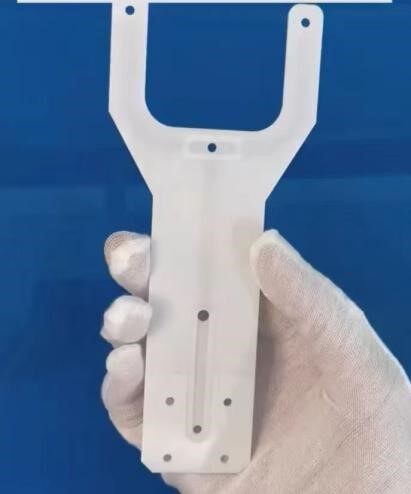
Say Goodbye to "Top-and-Bottom Gluing": How Light-Curing 3D Printing Achieves Seamless Internal Channels in Ceramic Robotic Arms
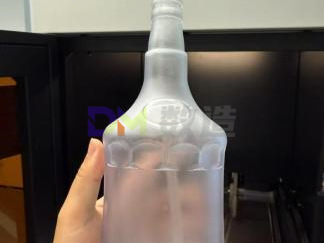
3D Printed Wine Bottle Packaging – Glass-Like Finish, Embossed-Level Precision
SLA 0.1mm layer thickness precisely reproduces embossed dragon patterns, matte textures, and complex irregular bottle shapes. Transparent photopolymer resin, after polishing and UV curing, achieves a glass-like visual appearance.
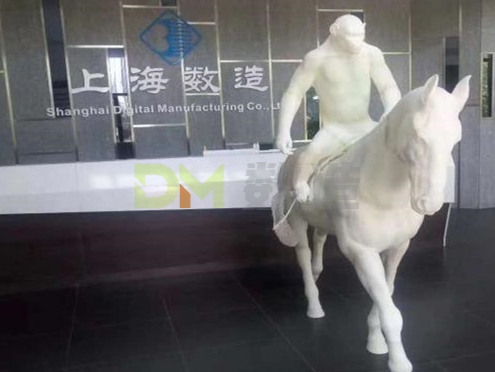
3D Printing Ad Exhibition - Large-format Splicing, 72-Hour Rush Service
SLA large-format machines enable rapid production of high-precision models, including people, buildings, product lines, simulations, and miniature dioramas.