


Shuzao Technology Unveils Next-Generation Stereolithography Ceramic 3D Printer
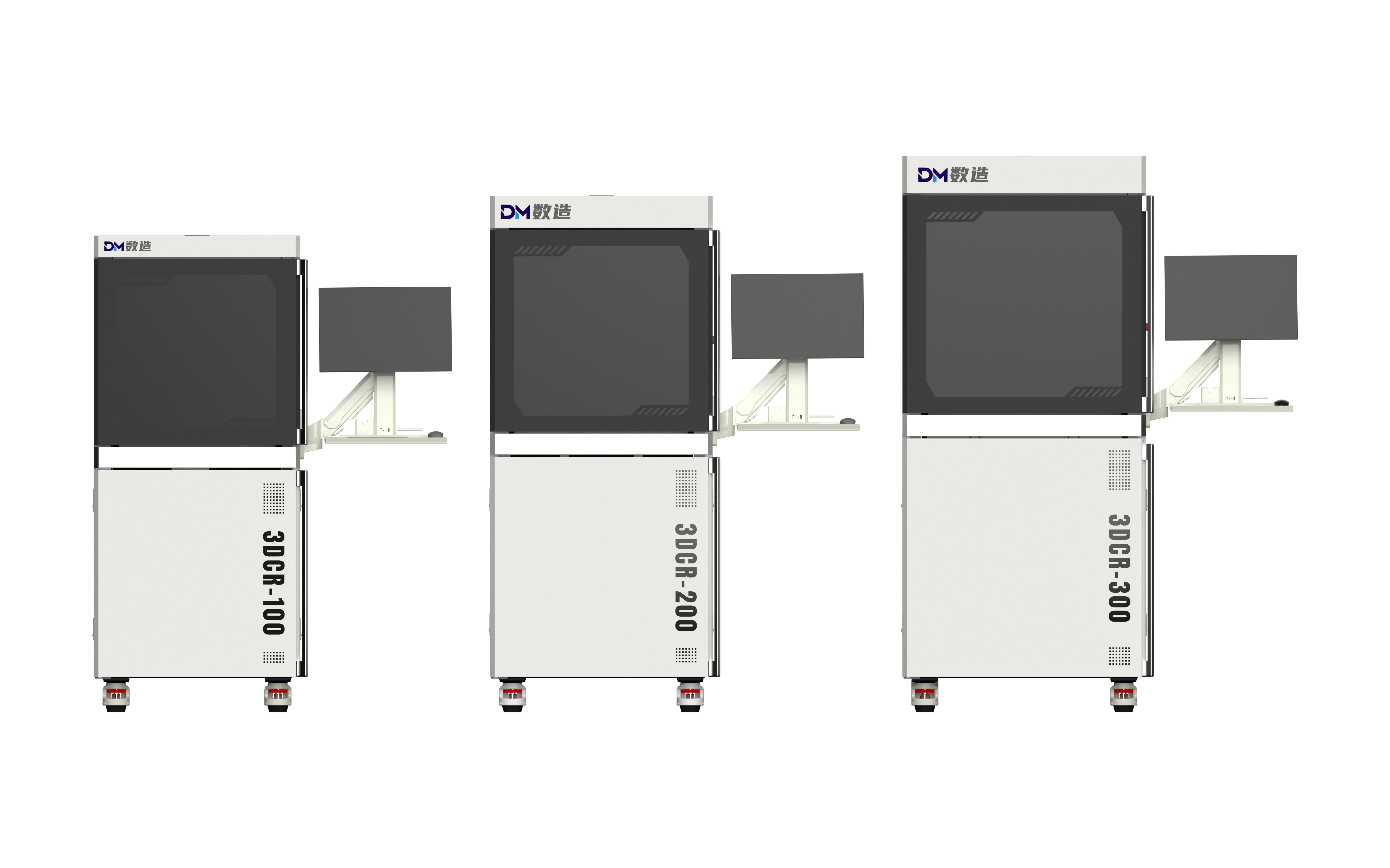
<p>Shanghai Shuzao officially launches the new generation of SLA ceramic 3D printers, the 3DCR series. This series delivers breakthrough performance in print accuracy, build speed, and material compatibility, providing high-performance rapid manufacturing solutions for ceramic components in semiconductor, aerospace, and biomedical applications.</p>
Shuzao Technology Unveils Next-Generation Stereolithography Ceramic 3D Printer
Product Overview
Shanghai Shuzao officially launches the new generation of stereolithography ceramic 3D printers, the 3DCR series. This series delivers breakthroughs in printing precision, build speed, and material compatibility, providing high-performance rapid manufacturing solutions for ceramic components in semiconductor, aerospace, and biomedical fields.
Core Technology Breakthrough
1. Ultra-high precision molding
Leveraging intelligent scanning technology, it achieves a layer thickness precision of 50μm and a forming accuracy of ±0.1mm, meeting the high-precision requirements for semiconductor equipment components.
2. Large-format printing capability
3DCR-300 offers a maximum build volume of 300×300×250 mm, enabling monolithic printing of large ceramic parts. This reduces assembly steps and enhances structural integrity.
3. Diverse material systems
Supports multiple ceramic material systems, including alumina (Al₂O₃), zirconia (ZrO₂), and silicon carbide (SiC). Slurry solid content ≥ 78%, with post-sintering density ≥ 96%.
4. Fast printing speed
Equipped with a high-speed galvo scanning system delivering speeds up to 10 m/s and powered by intelligent path optimization algorithms, printing efficiency is improved by 40% over the previous generation.
Product Model Comparison
Model | 3DCR-100 | 3DCR-200 | 3DCR-300 |
|---|---|---|---|
Maximum Build Size | 100×100×20 mm | 200×200×20 mm | 300×300×25 mm |
Molding Principle | SLA Photopolymerization | SLA Photopolymerization | SLA Photopolymerization |
Molding material | Alumina/Zirconia/Silicon Carbide Photosensitive Composite Slurry | Alumina/Zirconia/Silicon Carbide Photosensitive Composite Slurry | Alumina/Zirconia/Silicon Carbide Photosensitive Composite Slurry |
Laser Type | UV solid-state laser | UV solid-state laser | UV solid-state laser |
Laser Wavelength | 355nm/405nm | 355nm/405nm | 355nm/405nm |
Curing accuracy | ±0.1mm (L≤100mm) or ±0.1%×L (L>100mm) | ±0.1mm (L≤100mm) or ±0.1%×L (L>100mm) | ±0.1mm (L≤100mm) or ±0.1%×L (L>100mm) |
Workplane Spot Size | 50μm–150μm | 50μm–151μm | 50μm–152μm |
Maximum Laser Power | 3W/5W | 3W/5W | 3W/5W |
Slice Thickness | 0.05-0.2mm | 0.05-0.2mm | 0.05-0.2mm |
Repeatability of forming shaft positioning | ±5μm | ±5μm | ±5μm |
Power Requirements | AC20V@50Hz 10A | AC20V@50Hz 10A | AC20V@50Hz 10A |
Network Transmission | Supports Gigabit wired networking and Wi-Fi connectivity. | Supports Gigabit wired networking and Wi-Fi connectivity. | Supports Gigabit wired networking and Wi-Fi connectivity. |
Operating Environment Temperature | 18-28℃ | 18-28℃ | 18-28℃ |
Operating Environment Humidity | Relative humidity below 45% | Relative humidity below 45% | Relative humidity below 45% |
Application Areas
Semiconductor Industry
Ceramic fingers, ceramic suction cups, spray nozzles, and insulating structural components. Withstands temperatures up to 1600°C and offers dielectric strength ≥18kV/mm, meeting the high-purity and high-insulation requirements of semiconductor equipment.
Aerospace
High-temperature engine components, turbine blade cores, radar radomes, and more. Silicon carbide ceramics withstand temperatures up to 1800°C with a flexural strength of ≥380MPa.
Biomedical
Zirconia ceramic crowns, bone repair scaffolds, surgical guides, and more. Excellent biocompatibility; surface roughness Ra ≤ 0.2 μm after sintering.
Industrial Manufacturing
Wear-resistant ceramic liners, ceramic seals, ceramic cutting tools, etc., with a hardness of HRA ≥ 85 and wear resistance 5 times that of cemented carbide.
Process Flow
Model DesignDesign part structures with 3D modeling software; supports STL, STEP, and other formats.
Print Formed: Photocuring layer-by-layer; typical part print time 8-12 hours
Clean and demold: Ultrasonic cleaning with isopropyl alcohol to remove residual slurry from the surface.
Vacuum Degreasing: 3-5 days of degreasing to remove organic binders
High-temperature sintering: 1500-1700°C vacuum sintering to obtain dense ceramic
Precision MachiningCNC finishing to final dimensions and surface requirements
Customer Case Studies
A semiconductor equipment customer uses 3DCR-300 to fabricate ceramic fingers. Traditional processes require 6 weeks, while 3D printing takes only 12 days—reducing costs by 60%. The solution is already deployed in 8-inch wafer handling systems.
Technical Support
Shuzao Technology provides end-to-end technical support spanning material selection, structural design, printing processes, and post-processing. We have served over 100 ceramic 3D printing customers across industries including semiconductors, aerospace, and biomedical applications.
About Shuzao Technology
Shanghai Shuzao Electromechanical Technology Co., Ltd. was founded in 2004 and has dedicated over 22 years to R&D in SLA stereolithography 3D printing technology. With more than 50 patented technologies, we are recognized as a National High-Tech Enterprise and a Shanghai Specialized and New Enterprise. We offer SLA resins, ceramic, and metal 3D printers alongside comprehensive technical services, supporting over 10000 customers.
相关文章
500克材料就能开测!3DCR-100型光固化3D打印机,材料研发的利器
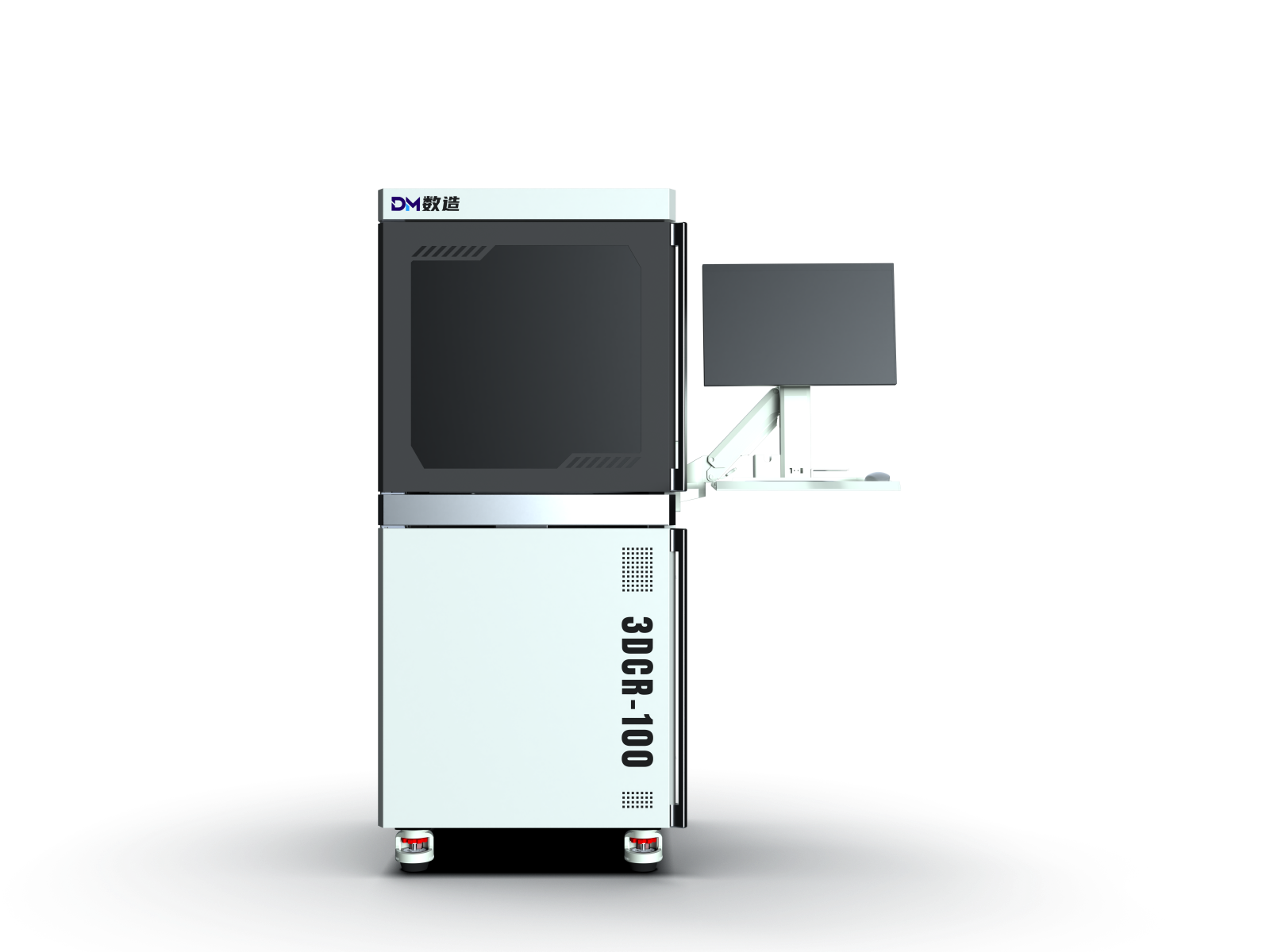
3DCR-100:专为材料研发打造的小型SLA光固化3D打印机。它采用活塞式成型缸设计,配合高精度激光扫描系统与智能打印控制算法,最大成型尺寸100×100×100mm,200ml材料即可启动打印。
深化技术交流 赋能救捞装备保障——上海数造科技赴交通运输部南海救助局广州救助基地开展走访调研
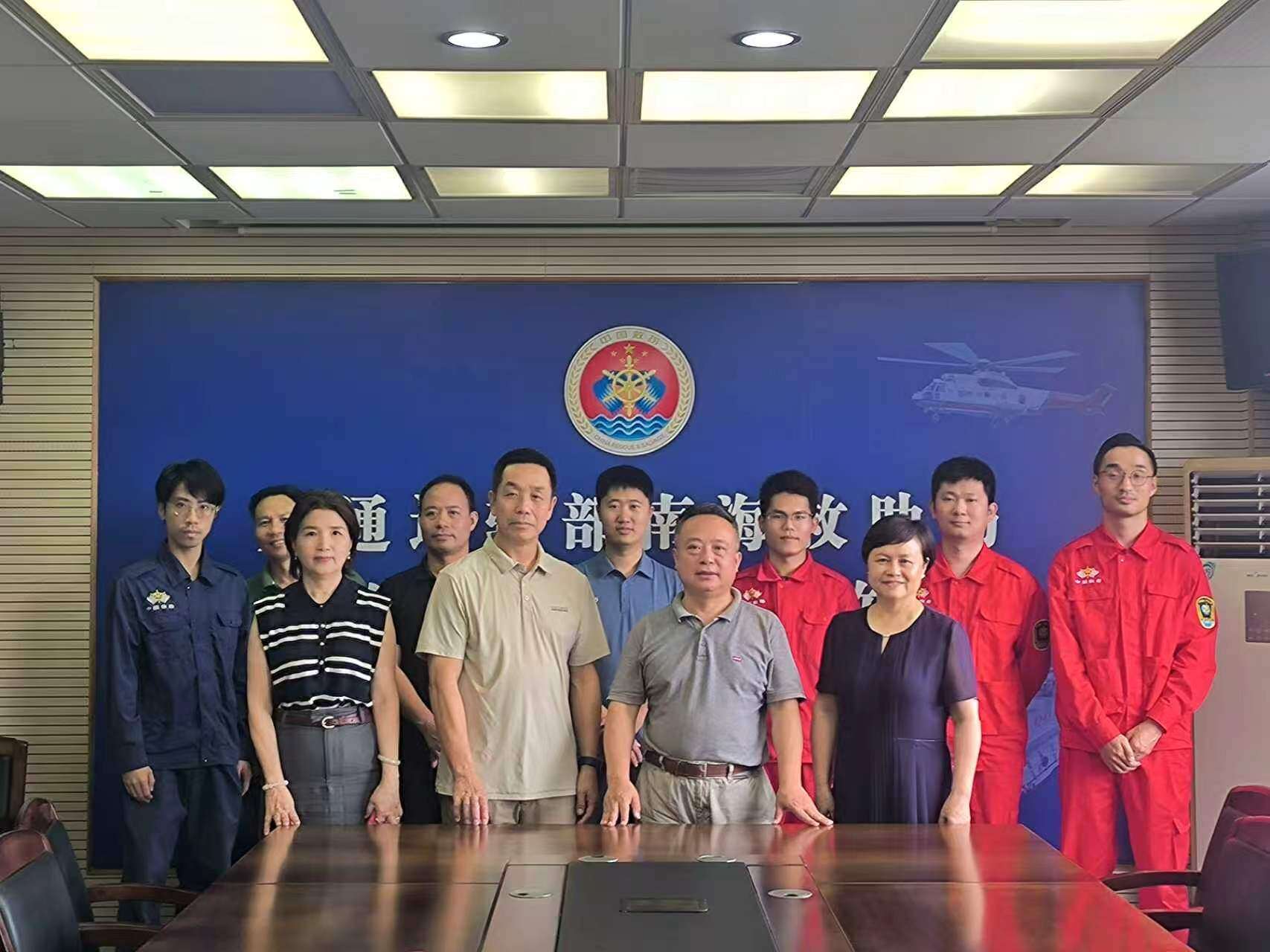
7月27日上午,上海数造科技董事长赵毅博士一行受邀到访交通运输部南海救助局广州救助基地开展技术交流,基地主任贝承璋、书记李文带领深海救助团队、装备管理部门、宋天宇劳模和工匠人才创新工作室骨干人员全程陪同接待。
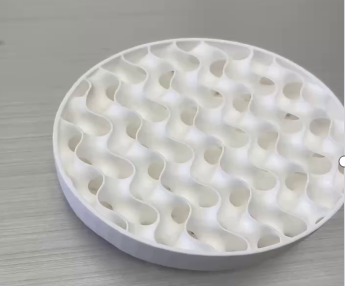
陶瓷复杂流道设计为什么用3D打印来做?
陶瓷复杂流道传统加工需要多件拼接胶粘,光固化3D打印可一体成型,减少泄漏风险并缩短交付周期。