


Quick Cast: Rapid Precision Casting Based on SLA
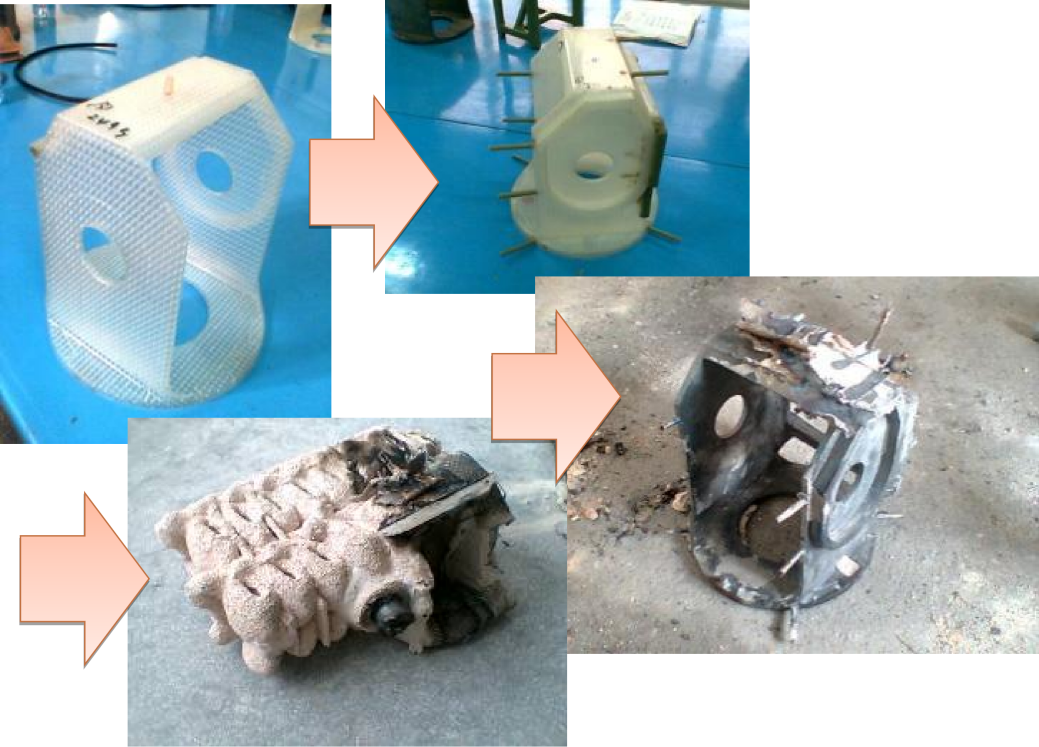
Quick Cast, a rapid precision casting technology based on SLA, is an advanced version of the lost-pattern casting process. It involves coating an SLA resin model with ceramic refractory material, firing it to burn out the pattern and leave a ceramic shell, then pouring molten metal to produce the final part. This method yields components with smooth surfaces and high dimensional accuracy, making it ideal for casting high-end metals such as titanium alloys.
Case Images
Industry Background
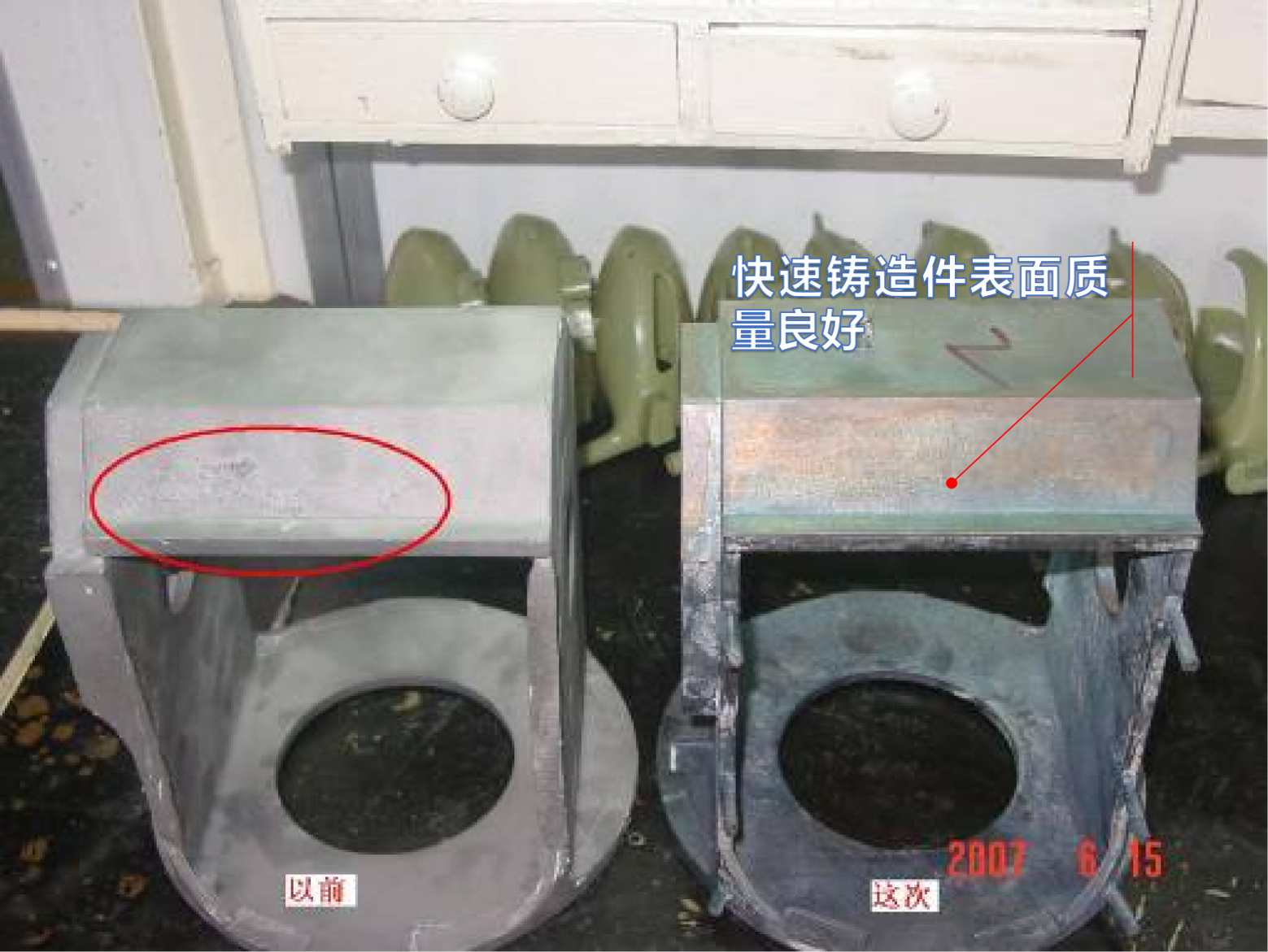
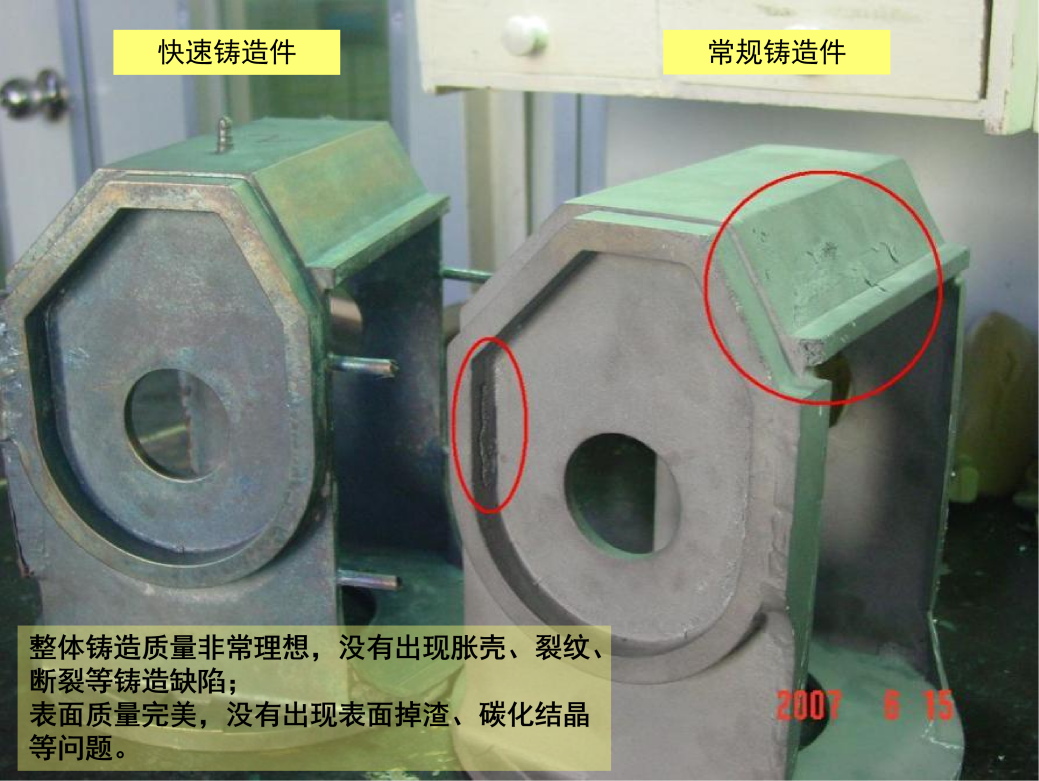
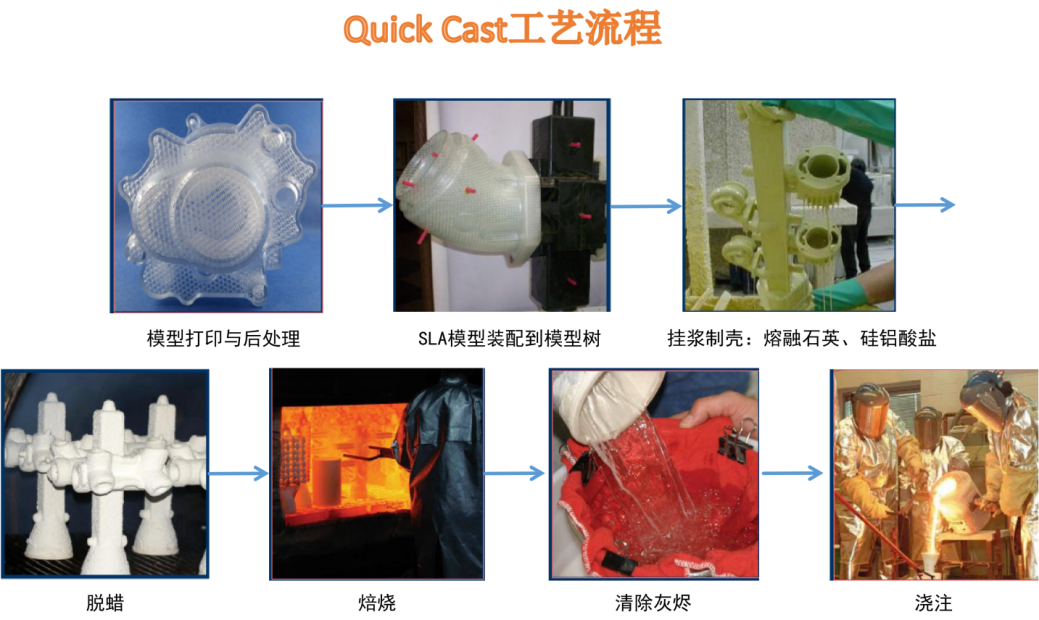
Casting technologies based on 3D printing encompass various processes. This article focuses specifically on precision casting using SLA (Stereolithography, a laser-based 3D printing technology). This is an advanced form of investment casting, invented in the early 20s by 3D Systems, a US company. The company registered "Quick Cast" as a trademark; we translate this term here as "Rapid Casting" to refer exclusively to this specific technology. The basic Rapid Casting workflow involves: coating an SLA resin model with ceramic refractory material, then firing it to burn away the model and leave a ceramic shell. Molten metal is poured into the shell backed by sand. After cooling, a finished metal part is obtained. Parts produced this way exhibit excellent surface finish and high dimensional accuracy. Rapid Casting is similar to lost-wax casting, except that the pattern material is replaced by a dissolvable photopolymer resin instead of wax. Due to this material change, the process must also be adapted. For example, while wax can be melted away using superheated steam, SLA materials—typically thermoset photopolymers such as acrylic or epoxy resins—cannot be melted; they must be burned out. Therefore, traditional lost-wax processes require modification to accommodate Rapid Casting.
Key Process Steps: Model Printing and Post-Processing
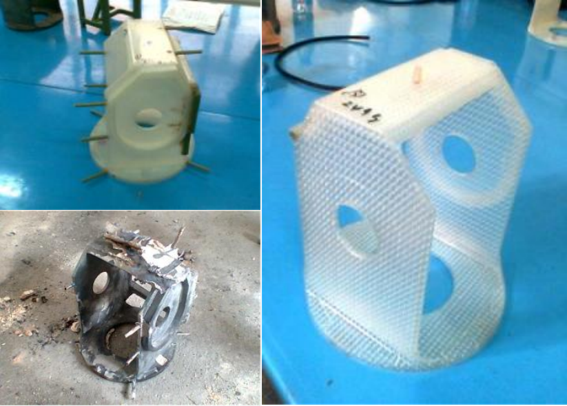
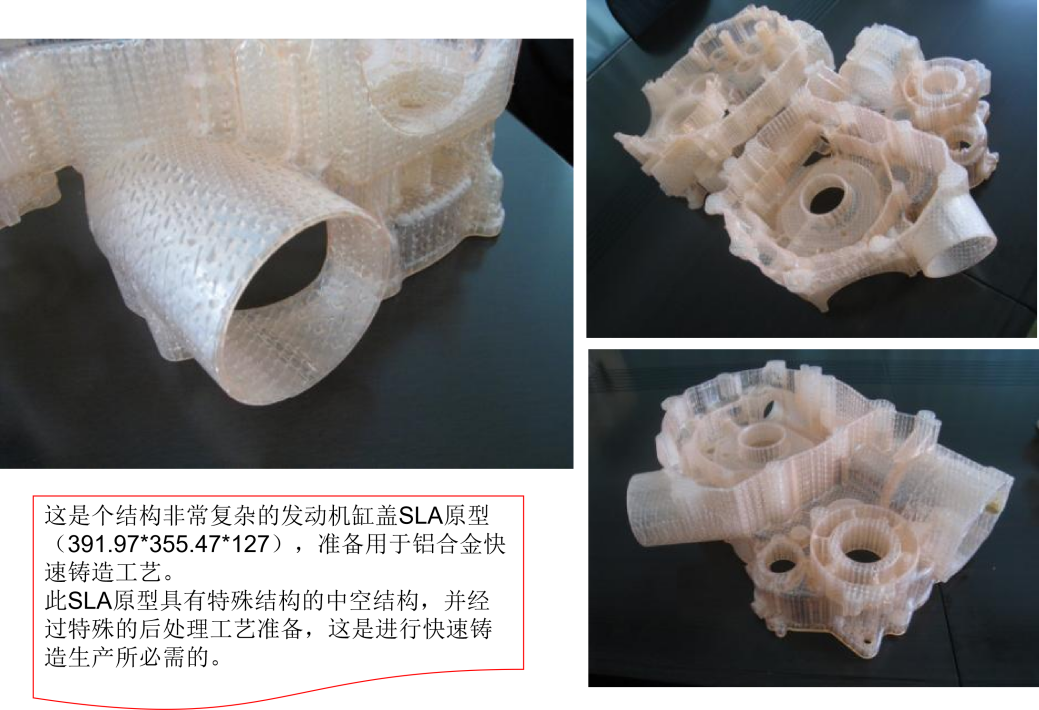
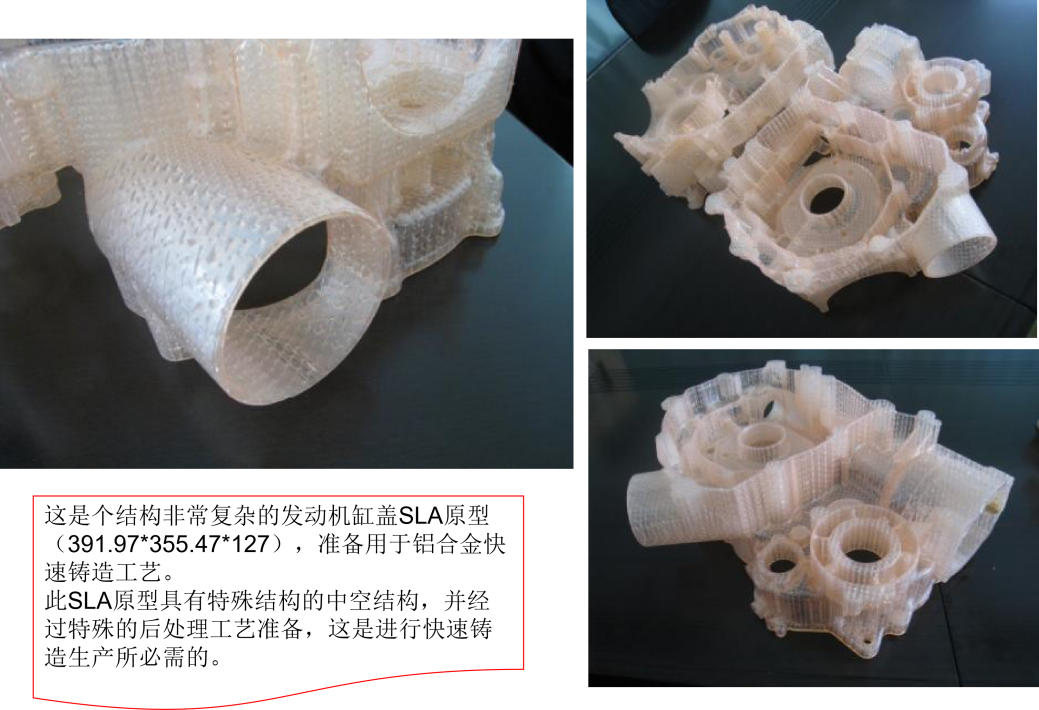
Standard SLA prototypes are unsuitable for investment casting production. During shell formation, the resin polymer model expands upon debinding and burnout, which can cause the shell to crack. Through continuous improvements, a specialized process has been developed for investment casting that produces hollow resin models or models with internal voids created by a support grid as thin as 1 mm connecting in three orthogonal directions. Drainage holes on the outer wall allow unhardened resin from the center to be expelled. This design ensures that during debinding and burnout, the hollow model collapses inward first, preventing shell cracking. Before producing the ceramic shell, necessary post-processing steps must be performed on the SLA resin model: 1 Thoroughly clean the model surface. This is critical for ensuring proper adhesion of the first slurry coat. 2 Add venting channels using casting wax. This is essential for successful dewaxing and complete burnout of the model in the kiln. 3 Ensure the hollow sections are leak-proof to prevent slurry from penetrating into the model walls.
Key Process Steps: Calcination and Casting
1 Calcination: Standard SLA patterns require calcination at temperatures above 800°C to be completely burned out. The process must ensure sufficient oxygen in the furnace; otherwise, incomplete combustion will occur. Because these patterns are made of thermoset materials that do not melt, they must be entirely burned out within the mold shell. Foundries may encounter two challenges during this stage: First, like all materials, the pattern expands when heated, exerting pressure on the shell. Although rapid prototyping methods allow internal collapse of the pattern upon expansion, thermal expansion during calcination can still cause the shell to crack. Second, residue left after burning affects casting quality. Even minor contamination may necessitate surface finishing (welding and polishing), while severe cases can lead to total scrap. 2 Ash Removal 3 Pouring: After coating the shaped resin pattern with ceramic refractory material and calcining it away, only the ceramic shell remains. Molten metal is poured into the shell surrounded by backing sand. Once cooled, a high-quality metal part is obtained with a smooth surface finish. Shuzao Technology has developed an epoxy-based resin specifically for casting applications. This low-viscosity resin allows excess material to drain quickly through vent holes during hollow pattern fabrication. Even highly complex patterns take only 2–3 minutes to complete. Hollow patterns made from this resin feature thin walls (0.3–0.5mm)), offering high rigidity and minimal deformation. Additionally, the resin exhibits excellent wettability with shell materials, resulting in castings with superior surface finish. Furthermore, its combustion performance is exceptional, leaving only 10μg of ash residue per 1g of burned pattern.
Instance 1
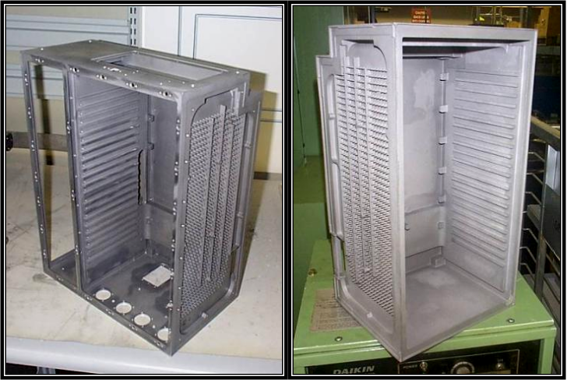
Photosensitive resin prototype parts with special hollow structures fabricated using the 3DSLA600 industrial 3D printer by Shuzao Technology. Part dimensions (L*W*H, mm): 230*230*255 Part weight: 249 g Fabrication time: 13 hours Cast metal: Titanium alloy TC4
Instance 2
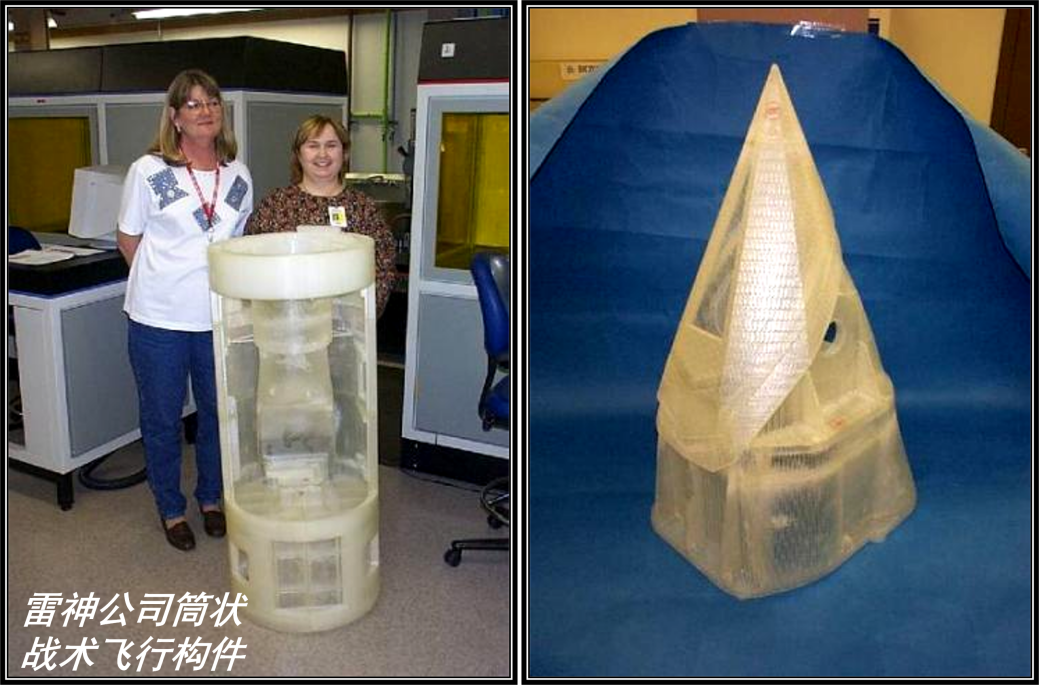
Rapid SLA prototype of a missile airframe. The airframe consists of five segments, each 550 mm long with a wall thickness of just 2.5 mm, cast in titanium alloy. Reduced part count: from 13 components to 1 (eliminated 451 assembly parts)... Total savings: $54,000,000
Recommended Models
3DSL-600/3DSL-800
Want to achieve a similar effect?
Our technical expert team provides professional 3D printing solutions to help you reduce costs, shorten lead times, and improve quality.
Professional Team
20+ years of industry experience, technical expert
Fast Response
Provide a solution within 24 hours
Quality Assurance
98% customer satisfaction